Who Am I? And How Did I Get Here?
2026-06-30
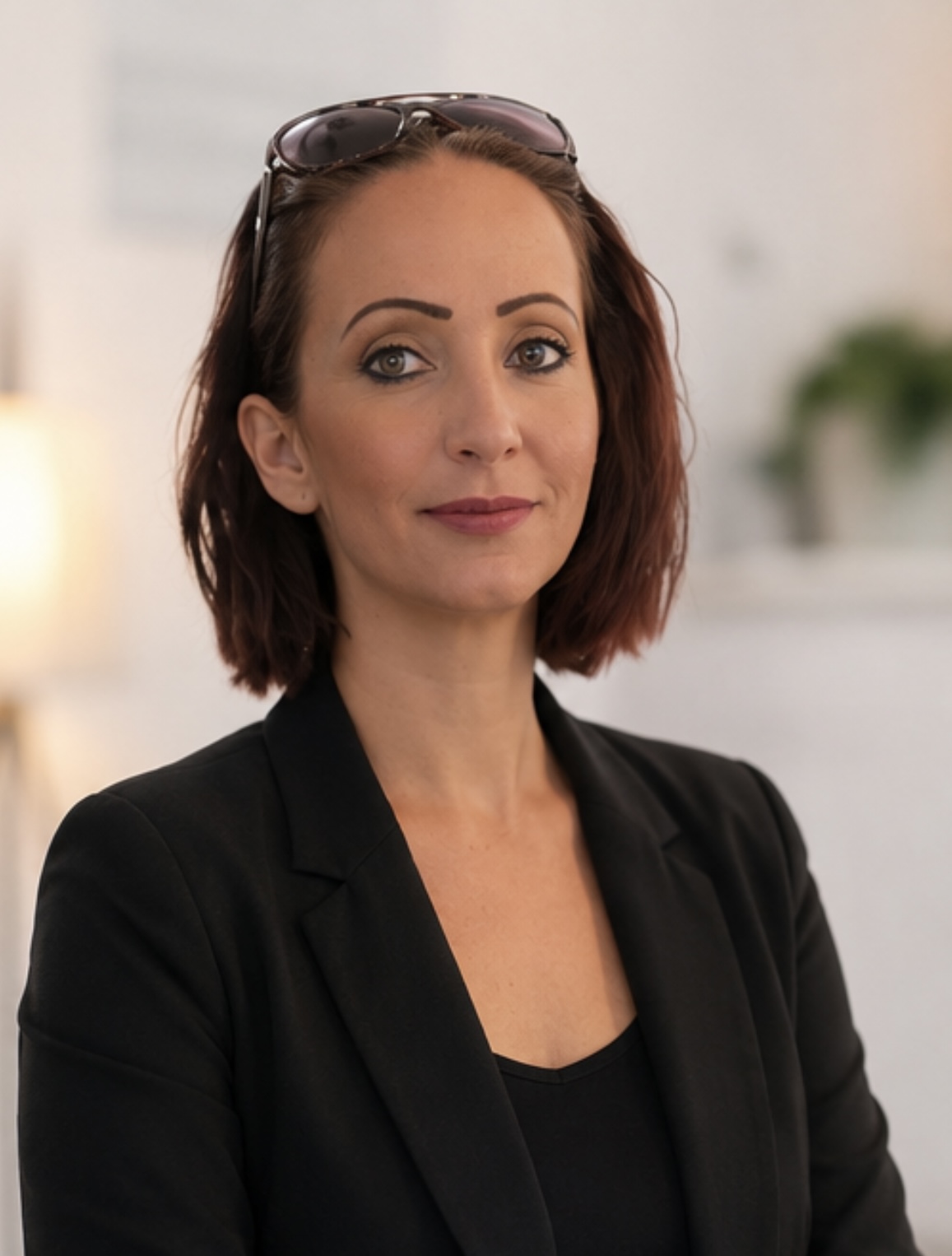
If you had told me twenty years ago that one day I would be advocating for neurodivergent children and adults, speaking to organisations about accessibility, supporting families through the SEND system, and building a platform dedicated to inclusion, I don’t think I would have believed you.
For most of my life, I believed I simply wasn’t good enough.
I thought everyone experienced the world the way I did, and that somehow everyone else had been given a rule book that I’d never received.
Today, I’m 40 years old. I’m mum to three incredible children, each with their own additional needs, and I’m fortunate to share my life with a wonderfully supportive partner Mehmet. Together we have our dog Charlie and our two cats, Garry and Raven.
Everything I do today has been shaped by the journey that brought me here.
Growing up feeling different.
I was born in Bradford, West Yorkshire, to an English mother and an Irish father during the economic uncertainty of the 1980s.
Like many families of that time, ours carried its own struggles. Looking back as an adult, I now understand that both of my parents had experienced difficult childhoods themselves. Trauma, poverty, limited opportunities and the social attitudes of the time all left their mark.
As a child, though, I didn’t understand any of that. I simply experienced the world around me.
I remember loud family gatherings filled with music, storytelling and laughter. I remember the constant smell of cigarette smoke that stung my eyes and nose. I remember absorbing every detail around me and storing memories with remarkable clarity.
Even today, I can recall tiny details from my earliest years that many people would never notice.
At the time, I assumed everyone experienced the world with that same intensity.
School was where everything changed.
Primary school wasn’t perfect, but I enjoyed learning through songs, practical activities, stories and creativity.
Secondary school was an entirely different experience.
The classrooms felt unbearably loud.
Every conversation blended into one overwhelming wall of sound. Bright lights reflected from windows. Balls flew across playgrounds. People expected me to process information that simply disappeared the moment I looked at it. Teachers spoke to me normally while I sat wondering how they expected me to hear them over everything else.
I couldn’t understand why everyone else seemed to cope.
I spent countless break-times hiding in toilets because they felt safer than playgrounds.
I struggled to follow timetables that everyone else seemed able to read.
I became anxious.
Quiet.
Withdrawn.
Eventually, overwhelmed.
Looking back now, I can see what nobody recognised then: I wasn’t refusing to learn. I was surviving.
For years I believed I wasn’t intelligent. No matter how hard I tried, I couldn’t spell like everyone else. I couldn’t retain information the way teachers expected. I constantly felt embarrassed asking for help.
When I was around 30 years old, I was finally assessed for dyslexia.
Receiving that diagnosis was one of the most emotional moments of my life. It wasn’t because I suddenly became dyslexic. It was because someone finally explained what had been there all along.
I wasn’t stupid!
I was just dyslexic.
That single assessment changed how I viewed my entire childhood. Instead of seeing failure, I began seeing unmet needs. Instead of seeing laziness, I saw barriers. Instead of seeing weakness, I saw differences that had never been understood.
Another piece of the puzzle
During a later assessment, something happened that would completely change my understanding of myself.
The assessor gently suggested that I should explore an autism assessment.
At first, I was devastated. Like many people, my understanding of autism was based on outdated stereotypes.
Once the initial shock settled, I started researching. I read everything I could find.
For the first time in my life, I found women describing experiences that mirrored my own.
The sensory overwhelm.
The masking.
The exhaustion.
The misunderstandings.
The difficulty navigating relationships.
The constant feeling of being different without knowing why.
Everything began to make sense.
I was eventually referred for an assessment, and although understanding yourself doesn’t erase the past, it does allow you to view it with compassion instead of shame.
Learning became my way forward
Life brought many more challenges.
I experienced domestic abuse. I spent years navigating lengthy and complex family court proceedings.
I learned first-hand how difficult systems can be to navigate when you’re neurodivergent, traumatised and trying to advocate for yourself at the same time.
There were countless forms.
Policies.
Meetings.
Assessments.
Reports.
Processes.
Many were inaccessible to me despite disclosing my dyslexia.
I often felt that the very systems designed to help vulnerable families, presented with even more barriers.
But something unexpected happened.
The more I searched for answers, the more I learned. I immersed myself in psychology.
Domestic abuse.
SEND law.
Family law,
Education.
Home education.
Accessibility.
Reasonable adjustments.
Neurodevelopment.
I wasn’t studying to gain qualifications. I was studying because my family needed someone to understand the system.
That someone became me.
My children changed everything.
As my children grew, many of the same themes I had experienced began appearing in their lives. This time, though, things would be different.
I wasn’t going to let them spend decades wondering why they struggled.
I began advocating relentlessly for assessments, reasonable adjustments and accessible education.
Along the way I discovered something I hadn’t expected.
I wasn’t just helping my own children.
I was helping other families too.
Parents started asking questions.
Professionals wanted to hear my experiences. Organisations became interested in understanding accessibility from lived experience.
Every conversation reinforced something I already believed.
Lived experience matters.
Finding confidence.
One of the biggest lessons I’ve learned is that we often underestimate ourselves because of what we’ve been told.
For years I doubted my own ability.
Then my partner encouraged me to train as a taxi driver when I initially joked about it, as I wanted to see what his thoughts were (and I secretly wanted to try it). I was convinced I would fail because of my dyslexia.
Instead, I passed!
That badge isn’t just a licence.
It’s a reminder. A reminder that neurodiversity doesn’t define potential.
Sometimes we just simply need information presented differently.
Why I created Neurodivergent Me.
Neurodivergent Me exists because I don’t want another child to grow up believing they’re broken. I don’t want another parent to spend years trying to decode systems that should already be accessible. I don’t want professionals to miss opportunities to make simple changes that could transform someone’s experience.
Accessibility isn’t about lowering standards. It’s about removing unnecessary barriers.
Whether I’m speaking to organisations, consulting on accessibility, supporting families, or sharing my own lived experience, my goal is always the same.
To help people understand neurodivergence with compassion.
To encourage services to become genuinely accessible.
To bridge the gap between lived experience and professional practice.
And to remind every neurodivergent person that needing support does not mean lacking ability.
Looking ahead
My story is still being written.
There is still more to learn.
More people to support.
More conversations to have.
More barriers to challenge.
If my experiences have taught me anything, it’s this: Education changes lives. Understanding changes lives.
Kindness changes lives. And sometimes, the person who once believed they had nothing to offer becomes exactly the person someone else needs to hear from.
“Because accessibility shouldn’t begin after you have found the accessibility icon, but from the very first contact.”
Thank you for being here.
I hope you’ll continue this journey with me.
By Ms Jacqueline S Murray